Showing posts with label chrome. Show all posts

Saturday, April 6, 2013

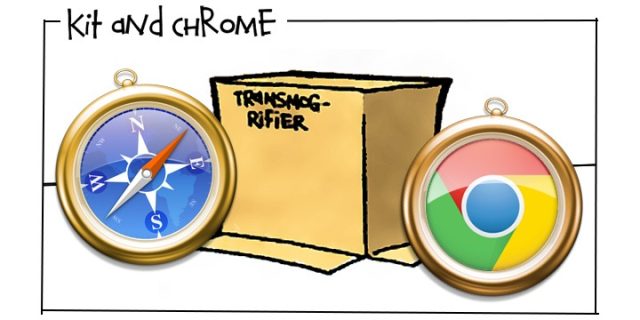
Find: Google going its own way, forking WebKit rendering engine

This diversity will be good, and focusing in the code components chrome needs may also make it faster. 

---
 
 
Shared via feedly // published on Ars Technica // visit site
Google going its own way, forking WebKit rendering engine
Aurich Lawson (with apologies to Bill Watterson)

Google announced today that it is forking the WebKit rendering engine on which its Chrome browser is based. The company is naming its new engine "Blink."

The WebKit project was started by Apple in 2001, itself a fork of a rendering engine called KHTML. The project includes a core rendering engine for handling HTML and CSS (WebCore), a JavaScript engine (JavaScriptCore), and a high-level API for embedding it into browsers (WebKit).

Though known widely as "WebKit," Google Chrome has used only WebCore since its launch in late 2008. Apple's Safari originally used the WebKit wrapper and now uses its successor, WebKit2. Many other browsers use varying amounts of the WebKit project, including the Symbian S60 browser, the BlackBerry browser, the webOS browser, and the Android browser.

Read 10 remaining paragraphs

Thursday, March 14, 2013

Find: Chrome hits 17-month low, Windows 8 still only creeping upward

Chrome hits 17-month low, Windows 8 still only creeping upward


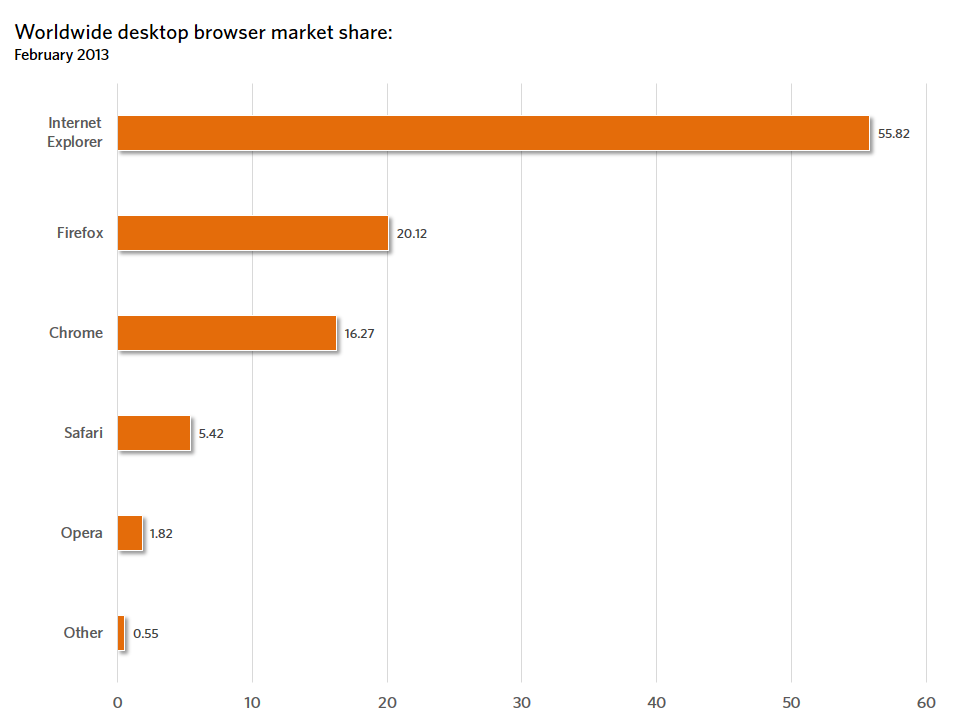
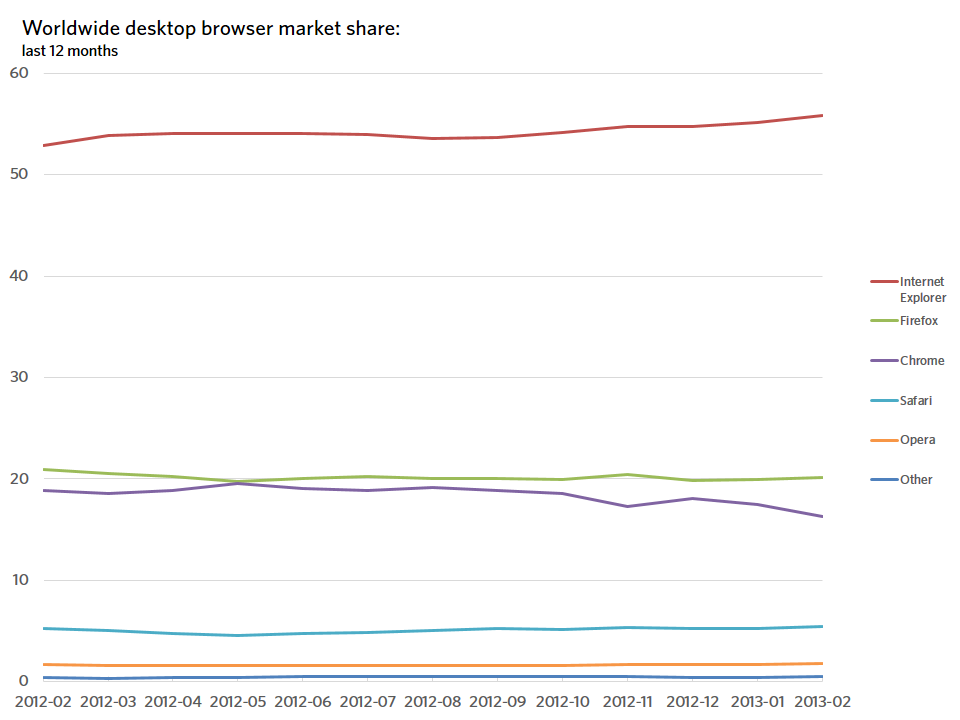
Microsoft's browser did as well as Google's browser did badly in February. Internet Explorer's share is the highest it's been in a year and a half. Chrome's is the lowest it's been in almost as long.


Internet Explorer was up 0.68 points to 55.82 percent. Firefox was back up above 20 percent, growing 0.18 points to 20.12 percent. Chrome was down sharply, losing a surprising 1.21 (giga) points, for a share of 16.27 percent. Safari and Opera were both up slightly, with gains of 0.18 and 0.07 points for a total of 5.42 and 1.82 percent, respectively

Monday, October 1, 2012

Find: Indystate - Peak Chrome? Google's browser falls as Firefox, Internet Explorer stay flat

Peak Chrome? Google's browser falls as Firefox, Internet Explorer stay flat

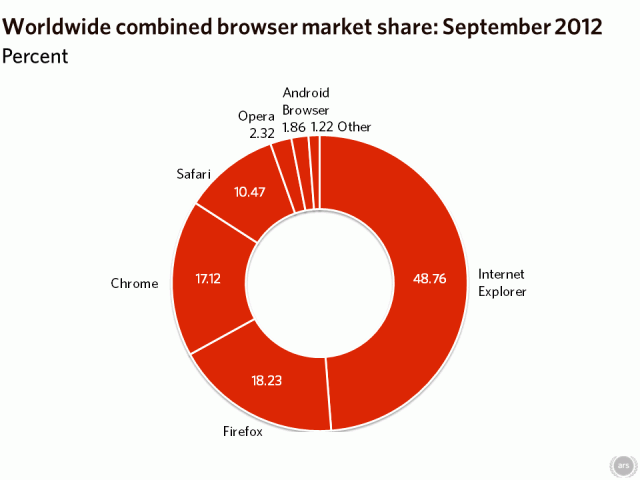
Once again, Firefox has maintained its grip on second place, behind Internet Explorer. And as Chrome falls away, there's now a gap of more than one percentage point between the browsers.

During 2011, Chrome's rise was unstoppable, and it looked as if taking second place was an inevitability. In 2012, Google's browser has come close, but never quite managed to close the gap even with Google's extensive advertising and promotion.


Internet Explorer and Firefox are essentially unchanged, each gaining 0.03 points to 53.63 and 20.08 percent respectively. Chrome has dropped 0.27 points to 18.86 percent, Safari picked up 0.16 points for a total of 5.26 points, and Opera edged up slightly, by 0.04 points to 1.62 percent.

Thursday, September 27, 2012

Find: 500 Chrome Experiments and counting...

500 Chrome Experiments and counting...

The web is capable of amazing things and is becoming more capable all the time. To show some of the potential of a better web, we launched ChromeExperiments.com in March 2009 with 19 inspiring examples by the creative coding community of what’s possible when combining the latest web technologies with a little code and imagination. Some of those original experiments, like Google Gravity and Ball Pool, are still popular today. But we’re pleased to say that they’ve since been joined by hundreds of other contributions from around that world that have pushed the web even further.

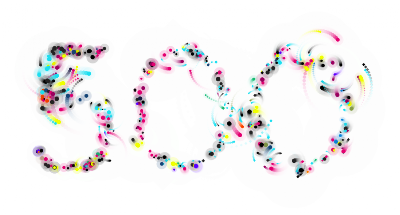
Today marks our 500th experiment, and in celebration, we created Experiment 500 as a thank you note to everyone who submitted their work to the site. It’s an array of interactive particles, each one of them corresponding to a different submission. You can sort them by date or by category.

Celebrating 500 Chrome Experiments

As you browse the experiments, you’ll notice that Chrome Experiments has evolved along with the web in the last 3.5 years. After Google Chrome added support for WebGL, for example, we started seeing beautiful 3D graphics experiments like Evan Wallace’s WebGL Water Simulation and HelloEnjoy’s Lights. When Web Audio came out, we received experiments that let users compose music together, such as Brandon Lockaby’s Multiplayer Piano and Dinahmoe’s Plink. This summer, with the release of Chrome for Android and iOS, we also announced a new gallery of mobile experiments, with submissions including AlteredQualia’s Multitouch Toy and Dominic Szablewski’s X-Type. Lately, we’ve seen real-...
Sunday, September 9, 2012

Find: Indystate by netapp - Chrome growth picks up

Chrome growth picks up; Windows 7 becomes the world's most used OS


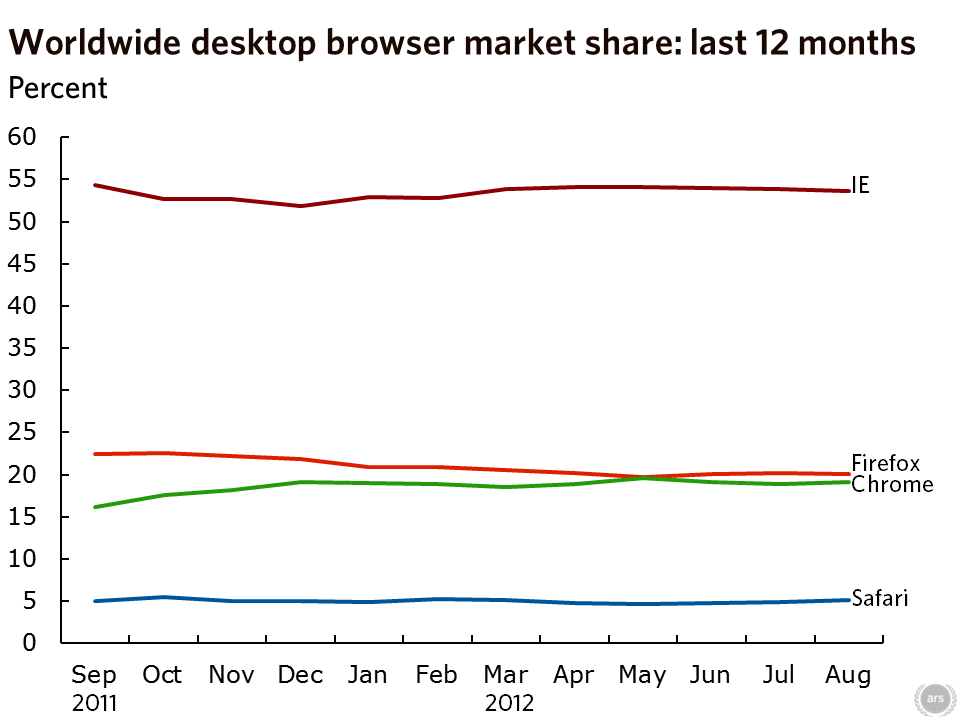
The last few months have seen Chrome poised to overtake Firefox as the second most widely used browser, and Windows 7 on the cusp of overtaking Windows XP to become the most popular operating system. For a long time it looked as if Chrome would win its race first, but in June and July its market share declined, allowing Firefox to strengthen its lead.

In August, Chrome resumed its gains, but didn't grow enough to leapfrog Firefox. Windows 7, however, has at long last overtaken the 11-year-old Windows XP—in the same month that its successor, Windows 8, made its way to the first end-user systems.


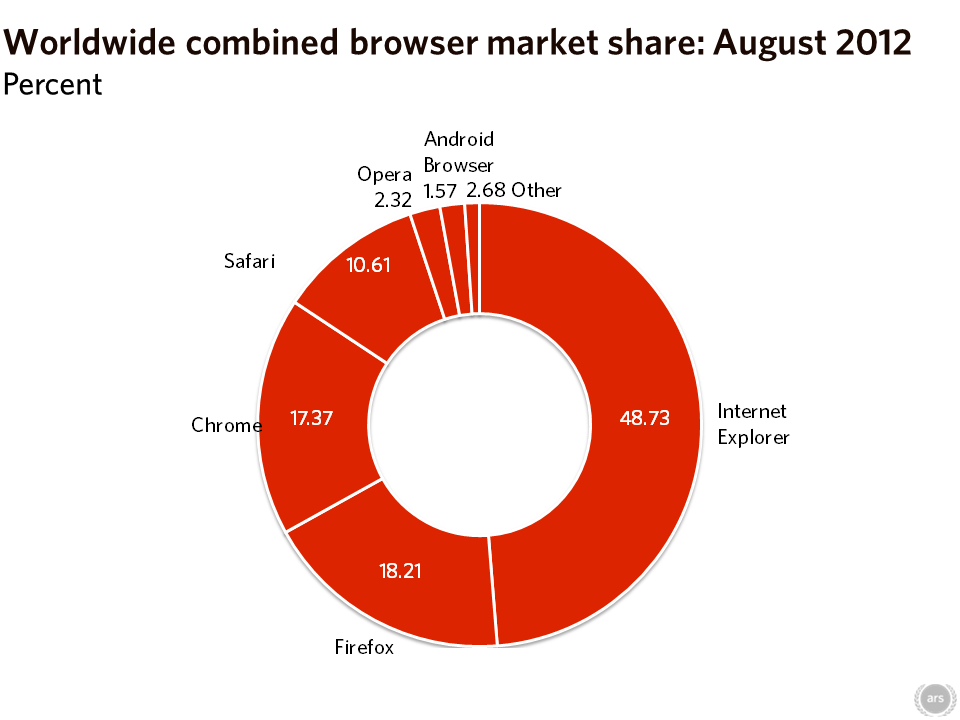
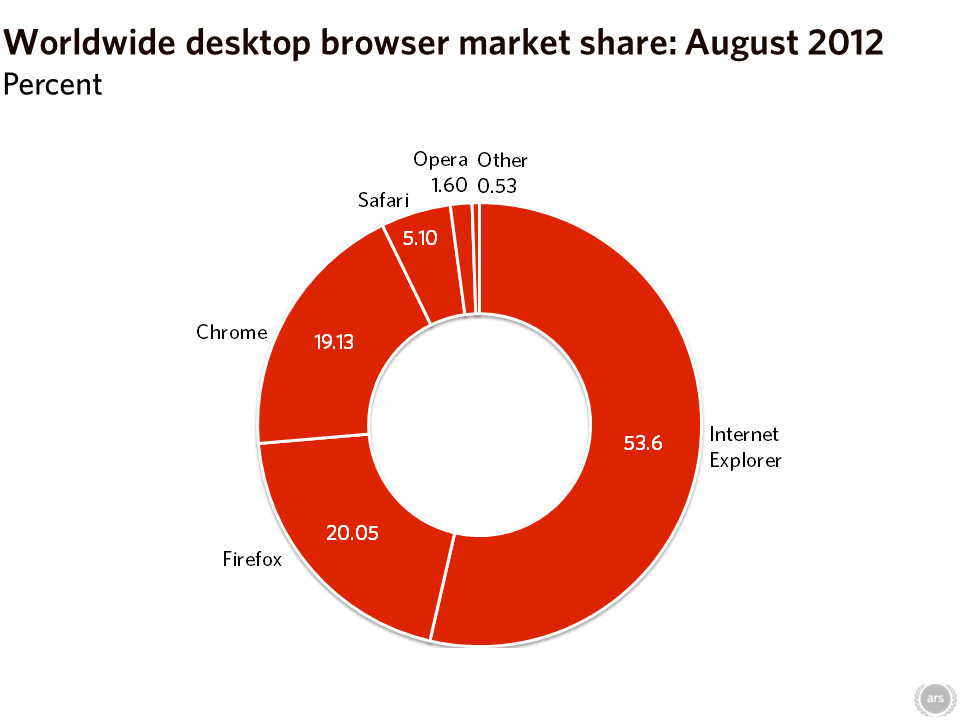
Internet Explorer is down 0.3 points to 53.6 percent. Firefox dropped 0.15 points to 20.05 percent. Chrome picked up 0.23 points to 19.13 percent. Safari gained 0.2 points to 5.1 percent, while Opera was essentially unchanged, down 0.01 points to 1.58 percent.

Friday, August 17, 2012

Find: Retina displays ripple on - Safari and Chrome now offer support for high-resolution CSS

And retina laptops are just the beginning. 

Safari and Chrome now offer support for high-resolution CSS code

MacBook Pro with Retina display angle (1024px)

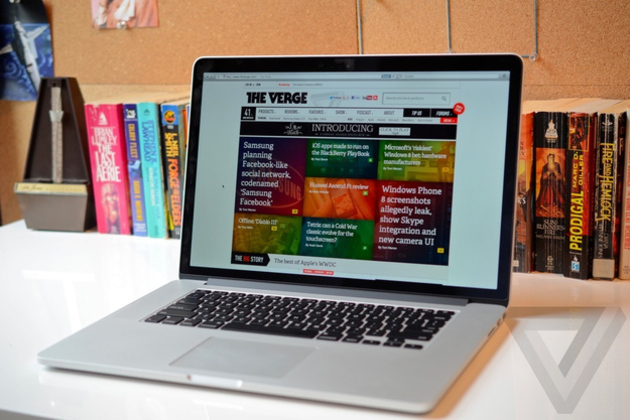
Apple's Safari and Google's Chrome web browsers have been updated to offer support for CSS's image-set specification, Webmonkey reports. The update enables support displays with higher pixel densities — notably, Apple's new Retina Macbook Pro. Chrome was optimized for Apple's Retina display in July, but the new standard allows the browser to detect a device's display and select the highest quality images automatically. The image-set specification also gauges a user's bandwidth to determine whether or not to serve Retina-quality images. Of course, adoption of the standard is largely dependent on developer support, but should Retina-quality displays become more pervasive, that may sooner rather than later.

Wednesday, August 15, 2012

Find: visualizing the evolution of the web

Behind the scenes: visualizing the evolution of the web

Dero

Sergio

This guest post is by Sergio Alvarez, Vizzuality, and Deroy Peraza, Hyperakt, in collaboration with Min Li Chan, Chrome Team

At Google I/O this year, we launched a new version of The Evolution of the Web, a project visualizing the history and pace of innovation in web technologies and browsers. The Evolution of the Web traces how web technologies have evolved in the last two decades and highlights the web community’s continuous efforts to improve the web platform and enable developers to create new generations of immersive web experiences. In collaboration with the Google Chrome team, the team at Hyperakt designed the interactive visualization while Vizzuality built it using HTML5, SVG, and CSS3.

The visualization included 43 web technology "strands" across 7 browser timelines to represent major developments on the web platform. On hover or tap, each strand is highlighted to reveal intersections that tell the story of when browser support was implemented for each new web technology. To provide additional context, we developed a secondary visualization to illustrate the growth of Internet users and traffic.

Tuesday, July 31, 2012

Find: Web apps can now use cams & mikes

New senses for the web

What if web apps could see? What if they could hear? In today’s Chrome Stable release, when you give them permission, they can.

Chrome now includes the getUserMedia API, which lets you grant web apps access to your camera and microphone without a plug-in. The getUserMedia API is the first step in WebRTC, a new real-time communications standard which aims to allow high-quality video and audio communication on the web.

The getUserMedia API also allows web apps to create awesome new experiences like Webcam Toy and Magic Xylophone. In Chrome Web Lab, if you're on the latest version of Chrome, the Sketchbots experiment uses getUserMedia to let you take a picture of your face, which is then converted to a line drawing and sent to a robot in the Science Museum in London. The robot then draws out your portrait in a patch of sand, which you can watch live on YouTube and visitors can watch in person at the museum. It’s just about as crazy as it sounds, and twice as cool.


Once you've taken your picture, it's transformed into a line drawing a robot can understand using HTML5 canvas.


Your portrait is then drawn by one of the eight Sketchbots in London. You can choose to be sent a video of the whole process.

In addition, today’s Stable channel release includes deeper Google Cloud Print integration,